Avoid hidden charges with Southgate rubbish removal quotes
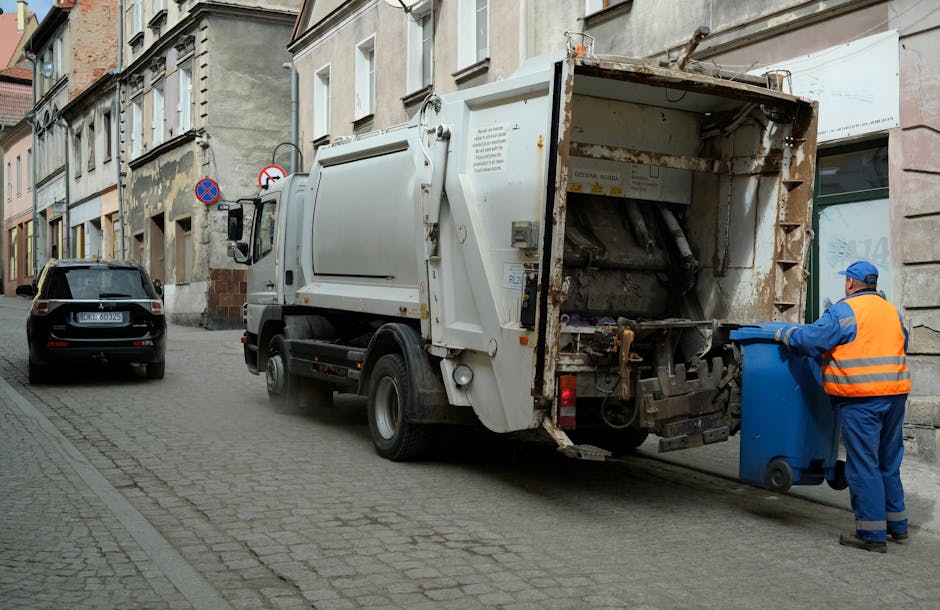
If you have ever asked for a rubbish removal price and then watched the figure creep up at the last minute, you will know the feeling. It is annoying, frankly. The good news is that avoid hidden charges with Southgate rubbish removal quotes is not about hunting for the cheapest number on the page; it is about understanding what the quote actually includes, what can change the price, and what you should confirm before anyone starts lifting a single bag.
That matters whether you are clearing a flat, a garden, a garage, or a full house. A clear quote saves money, but it also saves that awkward moment when a van turns up and suddenly there are "extras" for stairs, heavy items, or sorting. In Southgate, where properties can vary from compact flats to larger family homes, getting the pricing conversation right from the start makes the whole job smoother.
This guide breaks down how quotes work, the warning signs to watch for, and the practical steps that help you compare rubbish removal services with confidence. No fluff. Just the bits that stop surprises.
Why hidden charges matter
Hidden charges are not just a pricing problem. They change the whole experience. What looked like a simple clear-out can become a negotiation in the driveway, and nobody wants that. In our experience, the main issue is not always the final total itself; it is the lack of clarity. People feel misled when the quote they relied on no longer seems to mean anything.
That is why a proper rubbish removal quote should be specific about what is covered. Is labour included? Is loading included? What about access issues, bulky furniture, or extra time spent upstairs? If those points are vague, the quote is only half useful.
For Southgate customers, this is especially important when the job is in a flat, a terraced property with tight access, or a home where items have been left in lofts, garages, or sheds for years. A quick "yes, we can do that" sounds reassuring, but it can also be the start of a surprise surcharge if the details were never pinned down.
Practical truth: a fair rubbish removal quote is usually less about being the lowest and more about being the clearest.
You will often find that a transparent provider is happier to explain the pricing than to rush you through it. That is a good sign. It means they are not relying on fine print to make the job profitable later.
How rubbish removal quotes usually work
Most rubbish removal quotes are built around volume, weight, labour, and access. Those are the main moving parts. If you understand them, you can spot where hidden charges tend to appear.
1. Volume or load size
Many collections are priced by how much space your waste takes up in the vehicle. A single mattress is one thing; a mixed pile of bags, furniture, and broken shelving is another. If the quote is based on estimated load size, ask what happens if the waste turns out to be more than expected.
2. Type of waste
Not all rubbish is treated the same. General household clutter, old furniture, builders' rubble, and garden waste may involve different handling or disposal methods. For example, a builders waste clearance job can be very different from a standard domestic clear-out, even if the pile looks similar from a distance.
3. Labour and access
If the team has to carry items down multiple flights of stairs, navigate tight hallways, or dismantle bulky pieces, the time and effort can change the cost. That does not make a charge unfair by itself. It just needs to be stated before the visit. If you are booking a flat clearance, for instance, access details matter a lot more than people often expect.
4. Disposal and recycling costs
Some waste is more expensive to sort, transport, or recycle responsibly. A clear provider should explain whether this is already built into the quote. If recycling or separate processing may affect the total, that should be made obvious up front, not slipped in later.
5. Minimum charges and call-out structure
Sometimes the quote includes a minimum charge because sending a team and vehicle out for a very small load still carries costs. That is normal enough. What matters is whether you understand the minimum before you agree.
If you want a straightforward starting point, it can help to review pricing and quotes information alongside your own list of items. That way, you are comparing like with like rather than guessing what sits behind the headline number.
Key benefits and practical advantages
Transparent pricing gives you more than peace of mind. It changes how you plan the job.
- Better budgeting: you can set aside the right amount instead of leaving room for nasty surprises.
- Cleaner comparisons: you can judge one quote against another on the same basis.
- Faster decisions: fewer callbacks and fewer back-and-forth messages.
- Less stress on the day: no awkward discussion while the team is waiting at the kerb.
- More trust: clear pricing usually goes hand in hand with clear service.
There is also a practical benefit people miss: good pricing conversations often uncover hidden job details before collection day. Maybe the "small cupboard clear-out" includes a filing cabinet, a broken freezer, and three damp sacks from the shed. Better to know that while you are still at the quote stage. Saves a headache. Saves time too.
For homeowners managing a larger declutter, a full home clearance or house clearance is easier to organise when the price structure is clear from the outset. The same is true for a loft clearance, where access and heavy lifting often affect the quote more than the item count alone.
Who this is for and when it makes sense
This approach is for anyone who does not want the final bill to drift away from the original estimate. That sounds obvious, but you would be surprised how often people accept a vague quote because they are busy, tired, or just want the clutter gone.
It makes particular sense if you are:
- clearing a property before a move
- sorting out an inherited home
- getting rid of old furniture or white goods
- renovating and need waste removal for mixed rubbish
- emptying a garage, loft, or shed after years of build-up
- running a business and need predictable spend for regular waste collections
Business owners in particular tend to feel this more sharply. A single hidden charge on one collection may not sound huge, but repeat it over a year and it becomes a real budget problem. For that reason, many people benefit from looking at business waste removal options where the pricing and service terms are explained properly from the start.
And if you are clearing furniture rather than general waste, it can help to separate the service you need. Furniture moves, dismantling, and disposal can all affect the price, so checking furniture clearance or furniture disposal details can prevent confusion later.
Step-by-step guidance
If you want to avoid hidden charges, follow a simple process. Nothing fancy. Just disciplined.
- List everything you want removed. Include the obvious items and the awkward ones: bags, broken furniture, bulky appliances, garden debris, or bits in the loft you keep forgetting about.
- Add access notes. Mention stairs, lifts, narrow paths, parking restrictions, or long carries from the property to the vehicle.
- Ask what the quote includes. Labour, loading, disposal fees, recycling costs, and any minimum charge should be confirmed.
- Clarify what would change the price. This is the key bit. Ask directly: what triggers an extra charge?
- Check whether photographs are needed. A few clear photos usually reduce the risk of misunderstanding. Not glamorous, but effective.
- Ask for written confirmation. Email or message confirmation is better than a vague phone promise. It creates a record of what was agreed.
- Reconfirm on the day if needed. If the job changed after the quote, say so early. Surprises are only fun in birthday cards.
If you have a mixed job, split it into parts mentally. For example, garden cuttings, a broken wardrobe, and building rubble may not belong in one "simple rubbish removal" description. A clearer brief usually leads to a clearer price. Funny how that works.
Expert tips for better results
Here are the details that tend to make the biggest difference in real life.
Be specific about awkward items
Items like wardrobes, sofas, mattresses, fridges, filing cabinets, or anything heavy and awkward can change the effort involved. If something needs dismantling, say so. A quote based on "a few bits of furniture" is not much use if one of those bits is a giant corner sofa that has to be carried downstairs sideways.
Do not hide the mess
People sometimes tidy the visible layer and forget about the rest. The provider arrives, notices there is more than expected, and the price shifts. Be honest about the full load, even if it looks a bit worse than you hoped. That honesty usually pays off.
Ask how pricing is calculated
A good company should be able to explain whether the quote is based on volume, time, item type, or a combination. If the answer is vague, keep asking. Not aggressively. Just enough to get clarity.
Use the quote to compare service, not just numbers
A slightly higher quote can be better value if it includes loading, sorting, and proper disposal. A low quote that blossoms into add-ons is more expensive in the end. People often forget that until the van is already parked outside.
Look for the service fit
A garden job needs different handling from a loft job. A commercial job is different again. If the task is mostly outdoor waste, it may be worth reviewing garden clearance. If it is office clutter or archived materials, then office clearance may be more relevant. That sort of matching tends to improve pricing accuracy.
Truth be told, the best quote is usually the one that feels almost boring. No drama. No hidden clause. No "oh, by the way" on collection day. Just a clear price and a clear plan.
Common mistakes to avoid
Most pricing problems come from the same few mistakes. Avoid these and you are already ahead of the game.
- Accepting a quote without asking what is included. Never assume labour, loading, or disposal are automatically covered.
- Giving only a rough description. "Some stuff in the garage" can mean almost anything.
- Ignoring access issues. A third-floor flat with no lift is not the same as a ground-floor collection.
- Forgetting about heavy or specialist items. One bulky item can change the whole job.
- Not getting written confirmation. Memory is useful, but paperwork is better.
- Choosing solely on the cheapest headline price. Cheap can be fine. Cheap and vague is where people get caught.
A lot of frustration comes from that last point. A quote that looks lower at first can easily grow once the team sees the reality. And yes, you may be standing there thinking, "But I told them it was a garage full of rubbish." The problem is that "garage full" is not always a precise unit of measure.
Tools, resources and recommendations
You do not need specialist software to avoid hidden charges. A few simple habits will do the job.
- Take photos: a quick set of images from different angles can remove guesswork.
- Write a load list: note item types, quantities, and anything awkward.
- Measure access: stair count, doorway width, parking distance, lift availability, all of it helps.
- Keep one message trail: email or text is easier to refer back to than a half-remembered phone call.
- Review service pages carefully: matching the job to the right service can reduce quoting errors.
For example, if you are dealing with a cluttered rental or a packed family flat, a flat clearance page may help you think through the sort of access and item mix you need to mention. If the job is a full property emptying, a house clearance outline can prompt you to list all rooms properly rather than just the obvious ones.
You can also learn a lot from the company's supporting pages. recycling and sustainability information is useful if you want to know whether recyclable materials are handled responsibly, while payment and security helps you understand how transactions are handled. Those details matter more than people think, especially if you are paying a deposit or booking in advance.
Law, compliance, standards, and best practice
Pricing is one issue. Legal and operational responsibility is another, and the two are linked. A professional rubbish removal service should be able to explain how waste is handled, transported, and disposed of in line with UK expectations. You do not need to become an expert in waste law, but it helps to know what reasonable practice looks like.
As a customer, the sensible standard is simple: the company should be transparent about the service, honest about the waste type, and clear about what is included in the price. If a provider seems evasive about disposal, safety, or payment terms, that is a warning sign. Not necessarily disaster, but definitely a pause-and-check moment.
It is also sensible to look for clear policy pages. For example, terms and conditions should explain what happens if the job changes or access differs from what was described, and insurance and safety information helps reassure you that the work is being managed properly. If you are worried about how personal details are handled when requesting a quote, privacy policy information is worth a look too.
For business customers, it is especially wise to align the quote with proper record-keeping. Clear invoices, clear payment terms, and a clear description of the waste make life easier later. Boring? Maybe. Useful? Absolutely.
Options, methods, or comparison table
Different quote types suit different situations. Here is a simple comparison to help you judge which approach is least likely to produce surprise charges.
| Quote style | How it works | Best for | Risk of hidden charges |
|---|---|---|---|
| Quick verbal estimate | Given over the phone with limited details | Very small, straightforward jobs | Higher, if the job is more complex than it first sounds |
| Photo-based quote | Based on images and a written description | Domestic clear-outs, furniture, mixed household waste | Moderate, but usually better than a verbal estimate |
| Site visit quote | Assessed in person before booking | Large jobs, awkward access, flats, or mixed waste | Lower, because more detail is visible |
| Itemised quote | Lists the main pricing components separately | Customers who want maximum clarity | Lowest, if the items are well described |
If you are the cautious type, and fair enough, an itemised or site-based approach usually gives the cleanest result. But even a quick quote can work well if the information you provide is accurate and the provider is upfront. The method matters. The detail matters more.
Case study or real-world example
Picture a Southgate homeowner sorting a spare room after months of meaning to "get to it this weekend." You know the sort of room: a half-empty wardrobe, old boxes, a broken desk, a lamp that nobody remembers buying, and a couple of bags of odds and ends. The first instinct is to ask for a rough rubbish removal price and get it booked.
That might work. Or it might not.
In one common scenario, the customer describes it as "a few bits of rubbish and one wardrobe." On arrival, the team finds the wardrobe is solid, has to be dismantled, and the room also includes a sofa base, two large bags of mixed waste, and a printer that needs separate handling. None of that is dramatic, but each detail can affect the quoted amount. If it was never mentioned, the final number may be higher than expected. Cue frustration. Not ideal.
Now compare that with a better approach. The customer sends photos, explains that the wardrobe is in the back room, notes there is one flight of stairs, and confirms the exact items. The provider gives a clear price, explains what would count as an extra, and the job goes ahead without any awkward surprises. It is a small difference at the quote stage, but it changes the whole experience.
That is really the point. Most hidden charges are avoidable when both sides start with the same picture.
Practical checklist
Use this before you accept any rubbish removal quote.
- Have I listed every item that needs removing?
- Have I described the access properly, including stairs, lifts, parking, and carry distance?
- Do I know whether labour and loading are included?
- Have I asked what could trigger an extra charge?
- Have I confirmed whether the quote is fixed or estimated?
- Do I know whether bulky, heavy, or specialist items change the price?
- Have I checked for written confirmation?
- Does the service match the job type, such as furniture, garden, house, loft, or office clearance?
- Do the terms and payment information make sense to me?
- Am I comparing value, not just the lowest number?
If you can tick those boxes, you are in a much stronger position. It really is that simple. Not always easy, but simple.
If you are ready to compare options or want a clearer starting point, the most useful next step is to review the company's pricing and quotes guidance and then get in touch through the contact route that suits you best. A few minutes of careful checking now can save a lot of annoyance later.
Get a free quote today and see how much you can save.
Conclusion
Hidden charges thrive when quotes are vague, assumptions are left unchecked, and nobody stops to ask the awkward questions. The fix is refreshingly practical: describe the job properly, ask what is included, confirm what changes the price, and keep the agreement in writing.
That approach works for almost every kind of clearance, from a single piece of furniture to a full property empty-out. It also helps you feel calmer on the day, which is no small thing when the hallway is full of boxes and the kettle's just boiled. By the time the team arrives, you should know what is happening and why. No guesswork. No drama.
And if the job feels bigger than expected, that is fine too. A clear conversation at the start is still the best way to keep the whole thing fair, tidy, and pleasantly uneventful.
Frequently Asked Questions
How do I avoid hidden charges in a rubbish removal quote?
Give a full item list, mention access issues, ask what is included, and get the price confirmed in writing. The more precise the brief, the less room there is for surprise extras.
Are rubbish removal quotes usually fixed or estimated?
It depends on the provider and how much detail you give. Some quotes are fixed once the job is described clearly, while others are estimates that can change if the actual load differs.
What details most often lead to extra charges?
Common triggers include stairs, long carry distances, heavy items, dismantling, extra volume, and waste types that need different handling. These should be discussed before booking.
Should I send photos before getting a quote?
Yes, if possible. Photos help reduce misunderstandings, especially for mixed waste, bulky furniture, loft items, or awkward access. A few clear images can save a lot of back-and-forth.
Is the cheapest quote always the best deal?
Not necessarily. A low quote can be misleading if it leaves out labour, disposal, or access costs. A clear, slightly higher quote is often better value than a vague bargain.
Do flat clearances cost more than house clearances?
Not always, but flat access can make a difference. Stairs, lifts, parking, and carry distance all influence the work involved, so the property layout matters as much as the room count.
Can furniture removal have hidden fees?
Yes, especially if items need dismantling or are very heavy. It helps to separate furniture clearance from general waste and explain exactly what needs taking away.
What should be written in the quote confirmation?
The items to be removed, the service type, what is included, any known access issues, and anything that could change the price. Clear confirmation protects both sides.
How do I know if a rubbish removal company is being transparent?
They should answer pricing questions plainly, explain potential extra charges, and make their terms easy to understand. If you feel rushed or vague answers keep coming back, take that seriously.
Does recycling affect the price of rubbish removal?
It can, depending on the materials and how they must be processed. Responsible recycling is usually part of proper disposal costs, so it is sensible to ask how that is handled.
What if my job changes after I get the quote?
Tell the provider as soon as possible. If the amount, access, or waste type changes, the price may need to be adjusted. That is normal, but it should still be discussed before collection.
Where can I check payment and policy details before booking?
Look for pages covering payment and security, terms and conditions, and any service-specific information that explains how the job is handled. Those pages give useful context before you commit.