Common problems when booking Southgate bulky rubbish collection
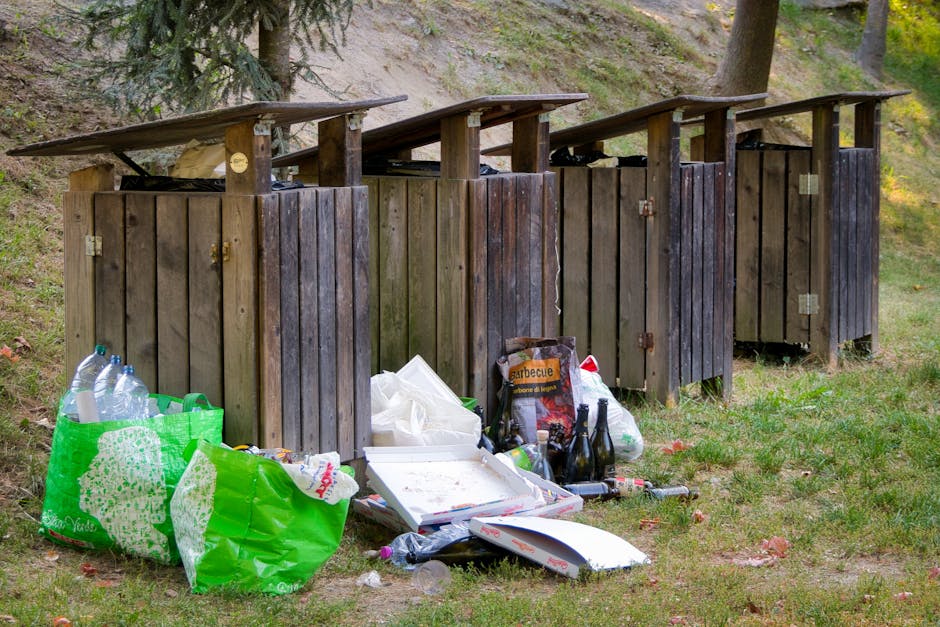
If you have ever tried to arrange a bulky rubbish collection and found yourself stuck between vague quotes, awkward access issues, and a pile of items that suddenly seem bigger on booking day, you are not alone. The common problems when booking Southgate bulky rubbish collection are usually practical ones, not mysterious ones. And once you know what tends to go wrong, the whole process becomes a lot easier to manage.
This guide breaks down the real booking headaches people run into, why they happen, and how to avoid them. It also explains what a good booking process should look like, so you can make a sensible decision before the van turns up and the clock starts ticking. Straightforward, useful, no drama.
Why Common problems when booking Southgate bulky rubbish collection Matters
Bulky rubbish collection sounds simple enough. You have old furniture, broken appliances, garden waste, or mixed household items, and you want them gone without spending your Saturday wrestling a sofa down the stairs. Fair enough.
But the booking stage is where things often wobble. If the item list is unclear, the access is tighter than expected, or the collection provider is working from incomplete information, the result can be delay, extra cost, or a wasted visit. That is frustrating, especially if you are clearing a flat, dealing with a house move, or trying to make space before builders arrive.
In Southgate, where properties can range from compact flats to larger family homes, the details matter. A narrow stairwell, on-street parking, limited lift access, or a rear alley gate can completely change how a bulky collection needs to be handled. That is why good planning matters more than most people expect.
Key point: the biggest problems are usually not the rubbish itself, but the gaps between what the customer expects and what the collection team is told in advance.
How Common problems when booking Southgate bulky rubbish collection Works
A bulky rubbish collection typically starts with a description of the items, an estimate of volume, and some basic access details. Depending on the provider, you may be asked for photos, a list of items, or information about whether anything is especially heavy, fragile, or difficult to move.
That sounds easy, but confusion creeps in fast. One person thinks "a couple of chairs" means two dining chairs; another means a sofa, armchair, and a set of broken patio seats. One customer says "easy access" and means there is a side entrance, while the crew discovers a parking problem and three flights of stairs. Let's be honest, these little gaps are where bookings get messy.
The usual flow is:
- You request a quote or booking.
- The provider asks for item details and access information.
- A price or estimate is given based on the information shared.
- A collection time is arranged.
- The crew arrives and confirms the load before removal.
Problems tend to surface in steps 1, 2, and 5. That is the real story.
If you are comparing services beyond a single bulky pickup, it can help to look at related options such as general waste removal or more tailored services like furniture disposal and furniture clearance. Different services suit different loads, and mixing them up can be awkward.
Key Benefits and Practical Advantages
Booking bulky rubbish collection properly saves more than time. It reduces stress, avoids surprise charges, and makes the day itself calmer. You know what is going, who is taking it, and how the access will work.
- Less disruption: items are removed in one organised visit rather than in a series of trips to the tip.
- Clear pricing: accurate information helps avoid last-minute changes.
- Safer lifting: bulky objects are often awkward, and the right plan reduces the risk of injury or damage.
- Better recycling outcomes: a proper description makes it easier to sort items for reuse or recycling where appropriate.
- More certainty: you are not left wondering whether the collection team will be able to reach the items at all.
There is also a practical mental benefit. Once the booking is confirmed properly, the clutter stops hanging over you. That half-cleared room with the old wardrobe in it? It finally starts to feel manageable again. Which, truth be told, is half the battle.
For people clearing larger spaces, it may be useful to compare bulky item removal with a broader home clearance or house clearance. If the job has spread beyond a few items, a bigger clearance service can sometimes be the cleaner solution.
Who This Is For and When It Makes Sense
This topic matters to a wide range of people, not just homeowners. In practice, bulky rubbish collection is often booked by:
- tenants clearing out before moving out
- landlords needing fast removal between lets
- families dealing with old furniture or broken household items
- people emptying lofts, garages, or sheds
- small businesses getting rid of redundant office furniture
- property managers preparing a flat or house for sale
It makes sense when the items are too large, heavy, or awkward for normal bin collections, but not necessarily enough to justify a full-scale clearance. A sofa, chest of drawers, mattress, washing machine, or garden bench can all fall into this category. If you have a mixed load, especially after a room clear-out, you may be moving into broader services like garage clearance, loft clearance, or garden clearance.
One common trap is assuming "bulky rubbish" is always the cheapest route. Sometimes it is; sometimes it is not. If your items are spread across several rooms or include a lot of furniture, a more complete clearance can actually be better value and far less fiddly.
Step-by-Step Guidance
Here is the simplest way to avoid the most common booking issues.
- List every item clearly. Be specific. "Two armchairs, one three-seater sofa, one broken desk" is much better than "some furniture".
- Take photos from a few angles. One photo often hides the awkward bit. A second or third view usually tells the real story.
- Check access before you book. Think stairs, parking, lifts, narrow hallways, locked gates, and whether the items need carrying through the property.
- Separate what is staying and what is going. It sounds obvious, but on the day, confusion happens. A lot.
- Ask how pricing is structured. Is it based on volume, item type, labour, or access difficulty? If you do not know, ask before confirming.
- Flag any heavy or specialist items. For example, old white goods, waterlogged materials, or furniture that needs disassembly.
- Choose a sensible slot. If you are at work or the road is busy at school run time, the collection may be harder to manage than expected.
- Prepare the load. Move items to a reachable place only if it is safe to do so. Do not strain your back trying to be heroic.
If you want to understand the pricing side in more detail, the page on pricing and quotes is a useful place to start. And if you are worried about payment methods or card security, the site's payment and security information is worth checking before you confirm anything.
One small but useful habit: write down the exact items you have listed when requesting the quote. It saves the classic "oh, I forgot that chair" moment later. We have all seen that one.
Expert Tips for Better Results
After enough collections, a few patterns become obvious. The smooth jobs are almost always the ones where the customer has thought ahead by ten minutes, not ten hours.
- Be specific about volume. Saying "one van load" is better than guessing the exact number of bags if you genuinely do not know.
- Measure awkward items. Long wardrobes, headboards, and American-style fridges can be harder to move than they look in a doorway.
- Check whether dismantling is needed. Flat-pack furniture can still be bulky once assembled, and some items need partial breakdown before removal.
- Plan for parking. In Southgate, a blocked bay or tight residential street can turn a simple job into a slow one.
- Tell the provider about mixed loads. A sofa plus garden waste plus broken shelving is not the same as three chairs. The details matter.
- Keep valuables and documents separate. This is especially important during house clearances and office clearances where items can get overlooked in the middle of the mess.
And here is a simple truth: a good provider would rather hear too much than too little. If you are unsure about something, say so. The booking will usually be better for it.
If your job is tied to business premises, look at business waste removal or office clearance rather than forcing everything through a domestic-style bulky collection. Different jobs, different expectations.
Common Mistakes to Avoid
This is where most booking headaches begin. Some are tiny. Some are expensive. All of them are avoidable if you know what to look for.
- Underestimating the amount of rubbish. The job suddenly grows once the cupboard doors are open and the hallway fills up.
- Not mentioning access issues. A collection crew cannot work with details they were never told about.
- Assuming all items are the same. Sofas, mattresses, white goods, and garden waste can each affect the plan differently.
- Forgetting about parking restrictions. This can delay arrival or make loading far slower than planned.
- Leaving the booking too late. If you need clearance before a move-out, renovation, or inspection, last-minute bookings add pressure.
- Choosing the wrong service. Bulky collection is not always the best fit for a larger mixed property clearance.
- Not reading the terms. Small booking rules can affect time windows, cancellation, or what counts as a surcharge.
A very common scenario: someone books a collection for "a couple of items", then adds a pile from the shed on the morning of the appointment. That is where misunderstandings start. It is not always a big issue, but it can change the quote or the timing.
If the items are predominantly household furniture, a targeted service like furniture clearance may be more suitable. If they are really about disposal rather than moving reusable items, furniture disposal may be the more accurate fit.
Tools, Resources and Recommendations
You do not need fancy equipment to book bulky rubbish collection well, but a few practical tools make life easier.
- Phone camera: take clear photos in daylight if possible. Morning light helps more than people think.
- Notepad or notes app: list each item so nothing gets forgotten in the rush.
- Basic tape measure: especially useful for large wardrobes, desks, sofas, and white goods.
- Access checklist: stair count, lift size, parking spot, gate width, and any key codes or entry instructions.
- Building or tenancy notes: handy where there are rules about shared entrances or move-out times.
For households trying to clear a larger area, the most useful supporting pages are often the ones that help you define the job properly. That might mean home clearance for broader domestic jobs, or garage clearance if the problem is mainly a packed-out storage area.
You may also want to review the company's recycling and sustainability approach. That is not just a nice extra. It helps you understand how reusable or recyclable materials are typically handled, which is especially useful if you care about waste being dealt with properly.
Law, Compliance, Standards and Best Practice
When booking bulky rubbish collection in the UK, it is sensible to keep compliance in mind, even if the job looks straightforward. You do not need to become a waste expert. You just need to avoid careless decisions.
Good practice usually includes making sure the waste is handed to a legitimate, insured, and appropriate carrier; giving accurate descriptions of what is being removed; and not leaving hazardous or restricted materials mixed into a normal bulky load. If there are items such as fridges, electricals, paint, or anything that could be classed as unsafe or specialist, mention them early.
For domestic customers, the main concern is usually accuracy and access. For business customers, record-keeping and duty-of-care expectations can matter more, especially if the items are coming from an office, shop, or workshop. If that sounds like your situation, business waste removal and office clearance are more relevant than a one-off household collection.
It is also smart to check the provider's own policies on health and safety, insurance and safety, and terms and conditions. Those pages help you understand how the service is run, what the boundaries are, and what happens if access or item details turn out to be different on the day.
Compliance does not need to sound dramatic. It is mostly about care, clarity, and not cutting corners. Simple enough, really.
Options, Methods, or Comparison Table
Different clearance jobs need different approaches. Here is a simple comparison to help you decide.
| Option | Best for | Typical strengths | Possible downsides |
|---|---|---|---|
| Bulky rubbish collection | One-off large items or a small mixed load | Quick, convenient, good for limited volumes | Can become awkward if the load is underestimated |
| Furniture clearance | Sofas, beds, wardrobes, tables, chairs | More specific for household furniture | May not suit mixed waste-heavy loads |
| Home or house clearance | Multiple rooms or entire properties | More comprehensive and organised | Usually broader than a simple item collection |
| Garage, loft or garden clearance | Space-specific clear-outs | Focused on the area causing the clutter | Less suitable if items are spread across the property |
| Builders waste clearance | Post-renovation debris and construction leftovers | Useful after DIY or trades work | Not ideal for general household items |
If you are still deciding, think about scale first, not price first. That sounds backwards, but it usually leads to a better result. The wrong service booked cheaply is still the wrong service.
For renovation-related waste, a dedicated builders waste clearance page may be the better fit. For shed or patio jobs, garden clearance can make more sense. Small distinctions, but they save trouble.
Case Study or Real-World Example
A typical Southgate booking might look like this. A family is clearing a spare room before a teenager moves home from university. They have a broken bed frame, two wardrobes, a desk, and an old armchair. At first glance, it sounds like a standard bulky rubbish collection.
Then the details come out. The bed frame needs dismantling, the wardrobes are upstairs, parking is awkward on the street, and the hallway is narrow. Suddenly the job is no longer just "pick up a few things". It becomes a small logistical plan.
In a case like that, the most useful approach is to explain everything up front: access, item sizes, whether help is needed carrying things downstairs, and whether the furniture is ready to go or still assembled. Once that is clear, the booking is much smoother and the crew can arrive prepared.
That same logic applies to a garage clear-out, a flat move, or a business office refresh. The less guessing, the better the experience. You can almost feel the difference on the day: less back-and-forth, less waiting around, less "sorry, I didn't realise".
Practical Checklist
Use this before you confirm a booking.
- List every item that needs collecting
- Take photos of the items and the access route
- Measure anything large or awkward
- Check for stairs, lifts, gates, and parking limits
- Separate items that are staying from items that are going
- Ask whether the quote changes if dismantling is needed
- Confirm the collection date, time window, and what happens if access changes
- Review the provider's pricing, terms, and safety information
- Make sure hazardous or specialist waste is disclosed early
- Keep your booking notes handy on the day
If you are dealing with a full property rather than a few bulky items, you may want to compare this with a house clearance or flat clearance. Those services can be a better fit when the job has grown legs.
Get a free quote today and see how much you can save.
Conclusion
The common problems when booking Southgate bulky rubbish collection are usually avoidable once you focus on the basics: accurate item details, honest access information, realistic timing, and the right service for the size of the job. That is what makes the difference between a smooth collection and a slightly chaotic one.
If you remember only one thing, make it this: the more clearly you describe the load, the easier everything becomes. Not glamorous, but true. And in this kind of job, clarity wins every time.
When the clutter is finally gone and the room feels bigger, quieter, lighter, that is a nice moment. A small one, maybe, but a good one.
Frequently Asked Questions
What are the most common problems when booking bulky rubbish collection in Southgate?
The biggest issues are inaccurate item descriptions, poor access information, underestimated load size, parking problems, and booking the wrong type of clearance service.
Why do bulky rubbish quotes change after booking?
Quotes can change if the actual load is larger than described, if items need dismantling, or if access is more difficult than expected. Honest details upfront usually prevent this.
Do I need to take photos before booking a collection?
Yes, photos are very helpful. They show size, condition, and access issues that are easy to miss in a phone call. A few clear images often prevent misunderstandings.
Is bulky rubbish collection better than a house clearance?
Not always. Bulky collection suits a smaller number of large items, while house clearance is usually better for multiple rooms or whole-property clear-outs.
What should I tell the collection company before they arrive?
Tell them exactly what is being removed, where it is located, whether there are stairs or lifts, and if parking is difficult. Also mention anything unusually heavy or awkward.
Can I include mixed waste with furniture in the same booking?
Sometimes yes, but you should always describe the mix clearly. Furniture, garden waste, and builders debris may need different handling, so it is best to confirm in advance.
How far in advance should I book bulky rubbish collection?
As early as you can, especially if you need a specific day or are working around moving dates, trades, or tenancy deadlines. Short-notice bookings are possible in some cases, but not guaranteed.
What happens if the crew cannot access the items?
If access is blocked or different from what was described, the provider may need to reschedule or adjust the quote. That is why clear access notes are so important.
Are there items that need special mention when booking?
Yes. Large appliances, very heavy items, anything dismantled, and any waste that could need special handling should be flagged early so the right plan can be made.
How can I avoid surprise costs?
Be detailed, ask how pricing works, check the terms, and make sure the load description is accurate. The less guesswork there is, the fewer surprises you will get.
What if I am clearing a garage, loft, or garden instead of just one room?
Then a more targeted service may be better. Garage clearance, loft clearance, and garden clearance are often a smarter fit than a basic bulky item booking.
Is it worth checking the company's policies before booking?
Yes. Pages such as terms and conditions, health and safety policy, and insurance and safety help you understand how the service is run and what standards are in place.
Where can I ask for more help if I am unsure what service I need?
If you are unsure, start by reviewing the relevant service page and then use the site's contact us page for guidance. A quick clarification early on can save a lot of hassle later.