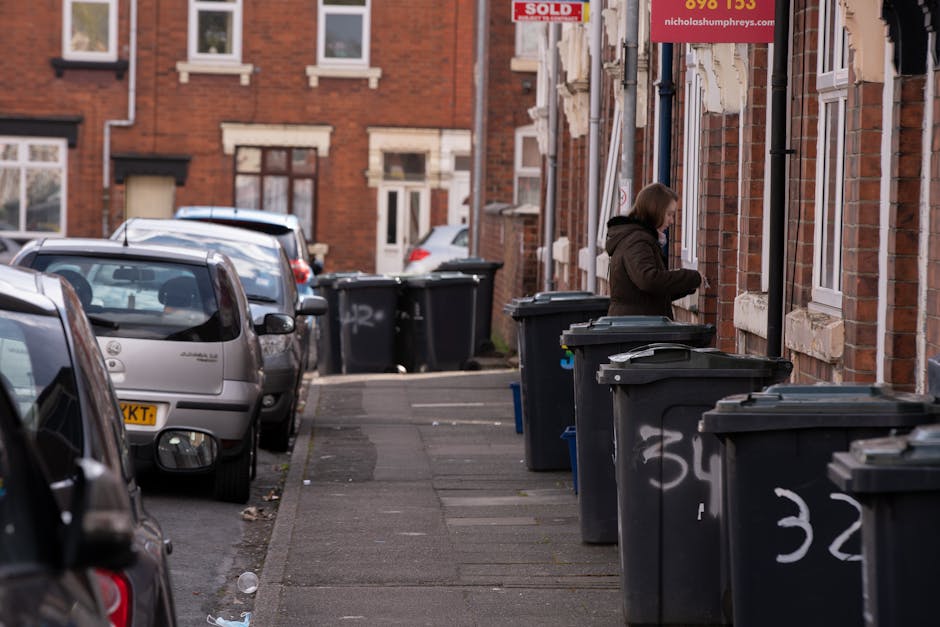
Grovelands Park Southgate High Street rubbish pickup tips
If you are dealing with a cluttered flat, a shop refit, a garden clear-up, or just that awkward pile of rubbish that has somehow grown legs, the right Grovelands Park Southgate High Street rubbish pickup tips can save you time, stress, and a fair bit of back-and-forth. Around Southgate, the mix of residential streets, busier high street frontage, and green spaces near Grovelands Park means rubbish pickup is not just about lifting bags out of a doorway. It is about timing, access, sorting, safety, and leaving the place tidy enough that nobody ends the day grumbling. Truth be told, that last bit matters more than people expect.
This guide breaks down how rubbish pickup works in the area, what to do before collection, how to avoid common mistakes, and when it makes sense to choose a professional clearance option. If you want a cleaner, smoother process with less drama, you are in the right place.
Table of Contents
- Why Grovelands Park Southgate High Street rubbish pickup tips Matters
- How Grovelands Park Southgate High Street rubbish pickup tips Works
- Key Benefits and Practical Advantages
- Who This Is For and When It Makes Sense
- Step-by-Step Guidance
- Expert Tips for Better Results
- Common Mistakes to Avoid
- Tools, Resources and Recommendations
- Law, Compliance, Standards, or Best Practice
- Options, Methods, or Comparison Table
- Case Study or Real-World Example
- Practical Checklist
- Conclusion
- Frequently Asked Questions
Why Grovelands Park Southgate High Street rubbish pickup tips Matters
Rubbish pickup sounds straightforward until you are standing in a hallway with bulky items, food waste, broken packaging, and a tight collection window. In a location like Southgate, where side roads, parking pressure, and pedestrian movement can all affect access, a little planning makes a big difference. Near Grovelands Park, you may also be dealing with quieter residential pockets, shared entrances, or the occasional narrow access point that turns a simple job into a slightly annoying puzzle.
Good pickup habits matter for three reasons. First, they keep the area cleaner and reduce the chance of waste being left out too early. Second, they help avoid missed collections, unnecessary lifting, and damage to property. Third, they support better recycling and less landfill-bound waste, which is especially relevant when you are trying to dispose of mixed household or commercial items responsibly.
There is also the simple human side of it. Nobody wants bags sitting outside overnight, attracting foxes, windblown litter, or complaints from neighbours. A clean pickup is a courtesy as much as a practical task.
Expert summary: The best rubbish pickup plan is not the fastest one on paper. It is the one that fits the property, the street, the access, the type of waste, and the people living or working there. Get those pieces right, and the rest tends to fall into place.
How Grovelands Park Southgate High Street rubbish pickup tips Works
The basic process is simple: identify what needs removing, separate what can be reused or recycled, make the waste safe to handle, and arrange the right pickup method. But in real life, each of those steps has small details that can change the whole job.
If you are managing rubbish pickup yourself, you will usually need to think about bagging, lifting, access, parking, timing, and whether your waste can be collected at the kerbside or needs loading from inside the property. If you are using a professional clearance service, much of the heavy lifting and sorting is handled for you, but you still need to describe the waste clearly so the team can arrive prepared. That part is easy to underestimate. A small box of mixed rubbish can become a van-load once someone opens the cupboard, and yes, it happens more often than people admit.
For high street properties, the process can be a bit more sensitive because there may be customers, deliveries, or nearby businesses to work around. For homes close to Grovelands Park, the main issue is often access and neighbour consideration. Either way, the aim is the same: remove waste safely, legally, and efficiently.
If you are comparing service quality, it helps to look beyond the pickup itself and into the wider standards of the provider. For example, the team's approach to recycling and sustainability, their insurance and safety practices, and how they handle pricing and quotes all give you a better picture of what kind of experience to expect.
Key Benefits and Practical Advantages
When rubbish pickup is organised properly, the benefits are immediate. The property looks better, the area feels calmer, and you avoid those awkward moments where waste starts creeping into communal spaces or onto the pavement. It sounds basic, but little things like that change how a space feels.
- Less stress: You are not juggling bags, boxes, and bin days at the last minute.
- Cleaner access routes: Hallways, front steps, and entry points stay safer and easier to use.
- Better sorting: Recyclables, general waste, and bulky items can be separated more sensibly.
- Fewer complaints: Neighbours and passers-by are less likely to be bothered by overspill or mess.
- Time saved: A proper pickup plan usually finishes faster than a piecemeal approach.
- Lower risk of damage: Careful handling reduces scuffed walls, broken banisters, and that painful little scratch on a new floor.
There is also a commercial advantage for shops and offices near Southgate High Street. Clean premises matter. Customers notice bins, clutter, and rear-yard rubbish more than business owners often expect. A tidy front or side access area quietly says the place is organised, which does your reputation no harm at all.
Who This Is For and When It Makes Sense
This kind of rubbish pickup guidance is useful for a wide range of people. Homeowners dealing with post-renovation debris, tenants moving out, landlords preparing a property, estate managers handling communal waste, and local businesses clearing stock or packaging can all benefit from a more structured approach.
It is especially useful if:
- you have bulky waste that will not fit in regular bins;
- you need pickup from inside a property, not just the kerb;
- there are stairs, narrow hallways, or shared access points;
- you are trying to avoid disruption to neighbours or customers;
- you want items sorted for reuse or recycling where possible;
- you need a clear plan rather than a last-minute scramble.
Sometimes the tipping point is simple. One broken wardrobe, a pile of old flooring, or half a garage full of mixed junk is enough to make self-disposal more hassle than it is worth. And if you are standing there on a wet Tuesday morning thinking, "I really do not want to do three trips in a borrowed hatchback," that is a pretty fair sign.
For people who want a straightforward route to booking help, the team's contact page is the sensible next stop. If you want to understand the business first, the about us page is useful too.
Step-by-Step Guidance
Here is the cleanest way to approach a rubbish pickup in the Grovelands Park and Southgate High Street area.
- Walk through the space carefully. Start with a room-by-room or area-by-area look at what needs removing. Do not just eye the obvious pile and stop there. Cupboards, loft corners, under-stair areas, and back rooms often hide more than expected.
- Separate the waste types. Put recyclable materials, reusable items, electrical items, and general rubbish into different groups where possible. This makes pickup more efficient and reduces avoidable waste.
- Check access and parking. Ask yourself: can a vehicle stop nearby without blocking traffic or a driveway? Is there a lift? Are there steps? Is the path clear? These small details change the whole logistics picture.
- Make items safe to handle. Remove sharp edges, empty broken containers, and avoid overfilled bags. If there are damp or heavy items, make that clear before collection. No one enjoys a bag that suddenly feels like wet concrete.
- Bundle light items sensibly. Flatten cardboard, tie loose packaging, and stack similar items together. It saves time, and it stops the pickup area looking like a bomb site five minutes before the van arrives.
- Confirm timing and scope. Be precise about what is being collected. "A few bits and pieces" can mean almost anything, which is not very helpful for anyone.
- Do a final sweep. Check for loose screws, forgotten paper, small plastic items, and anything that could blow away. On a breezy day, even a tiny wrapper can end up halfway down the street.
If you are using a professional service, a clear description often leads to a better quote and a smoother visit. That is not fancy advice, just experience. The more accurate the brief, the fewer surprises for everyone.
Expert Tips for Better Results
Small adjustments can make rubbish pickup much easier. These are the practical touches that tend to save time and frustration.
- Keep one access route clear: Do not block the only path out with bags. People need room to move, and so do the loaders.
- Label problem items: If something is particularly heavy, fragile, or awkward, say so. A sticky note is enough sometimes.
- Take photos before the job: Helpful for quoting, planning, and comparing what was there before and after. Nothing dramatic, just practical.
- Group waste by type and location: For example, cardboard by the entrance, mixed rubbish in one corner, old furniture near the exit.
- Leave fragile surfaces protected: Put down a temporary covering if you have polished floors, a fresh carpet, or narrow stairs.
- Plan around peak traffic: Southgate High Street can be busier at certain times, so a slightly earlier or later pickup may make a noticeable difference.
One thing people forget: the best pickup is often the least chaotic one. Not the fastest, not the most dramatic. Just calm, tidy, and properly organised. A boring clearance is usually a successful one. That is the goal, really.
Common Mistakes to Avoid
Most rubbish pickup problems come from a handful of avoidable mistakes. The good news is that once you know them, they are easy enough to sidestep.
- Leaving waste out too early: This can attract complaints, weather damage, or messy blow-aways.
- Mixing everything together: Mixed loads are harder to sort and can lead to extra labour or disposal complications.
- Ignoring access restrictions: A van cannot magically appear in a blocked alley. If only.
- Underestimating the volume: Bags compress, but awkward items rarely do. Always assume the pile is bigger than it looks.
- Forgetting about sharps or hazardous items: Broken glass, chemicals, paint, and similar materials need special care.
- Not checking what is excluded: Some items may need separate handling, so it is better to ask before collection day.
There is also a common planning mistake: assuming a small job does not need proper preparation. In practice, the opposite is often true. Small jobs are where people get casual, and casual becomes messy very quickly.
Tools, Resources and Recommendations
You do not need a truckload of equipment to manage rubbish pickup well. Most of the value comes from simple tools and a clear system.
- Heavy-duty bags: Better for mixed household rubbish, but do not overfill them.
- Gloves: Useful for handling sharp packaging, dusty items, or anything grimy.
- Tape and labels: Handy for grouping items or marking anything fragile.
- Trolley or sack barrow: Useful if you are moving multiple items from inside a property.
- Basic cleaning kit: A broom, dustpan, and cloths for a final sweep after pickup.
- Phone camera: Useful for documenting the load before and after, especially for business premises or managed properties.
For people who want a better understanding of how a company handles customer data, policies, and service standards, the site's privacy policy, terms and conditions, and accessibility statement are worth reviewing. They are not thrilling reading, fair enough, but they do help you understand how the service is run.
If your main concern is transparency around payment, the payment and security page is another useful reference point. It is always better to know the process before the van turns up.
Law, Compliance, Standards, or Best Practice
Waste handling in the UK needs to be done carefully and responsibly. While this article is not legal advice, there are some general best practices worth keeping in mind. You should only use a properly managed disposal route, avoid fly-tipping, and make sure waste is passed to a provider that understands safe handling and lawful disposal expectations.
For householders, the big practical point is simple: do not leave waste somewhere that creates a nuisance or obstruction. For businesses, there is an even stronger need to show due care, especially when waste leaves the premises through a contractor. Ask sensible questions about collection, sorting, and disposal. If a provider cannot explain their process in plain English, that is usually a warning sign.
Health and safety matters too. Heavy items, awkward stairways, damaged furniture, and broken glass all carry avoidable risks. A good provider should work in a way that reduces harm to people and property. If you want to understand that side in more detail, the health and safety policy and insurance and safety pages offer useful reassurance.
On the sustainability side, best practice means prioritising reuse and recycling where possible, then disposing of what is left responsibly. Not every item can be saved. Still, it is worth trying. The waste stream is better for it, and so is the feeling you get when a usable item avoids the bin altogether.
Options, Methods, or Comparison Table
There is no single "best" rubbish pickup method for every situation. The right choice depends on time, volume, access, and how much lifting you are prepared to do. Here is a straightforward comparison.
| Method | Best for | Pros | Limitations |
|---|---|---|---|
| Self-loading to council-style collection points | Small amounts of light waste | Low cost, simple if access is easy | Time-consuming, physical effort, limited flexibility |
| DIY multiple car trips | Very small clear-outs | Some control over timing | Slow, messy, awkward for bulky items, not ideal near busy streets |
| Professional rubbish pickup | Mixed loads, bulky items, busy homes, businesses | Fast, less lifting, better for access challenges | Cost depends on volume and complexity |
| Full clearance service | Whole-room or whole-property jobs | Most efficient for larger clearances | Can be more than needed for small jobs |
If you are unsure which option fits, think about the job in terms of effort, not just cost. A cheaper choice can be expensive in time, stress, and sore shoulders. Let's face it, the "free" option is not always the least costly one.
Case Study or Real-World Example
A typical Southgate scenario goes like this. A household near Grovelands Park has finished decorating two rooms and now has old carpet offcuts, packaging, a broken chest of drawers, and a pile of mixed rubbish in the hall. The family originally planned to handle it themselves over a weekend. Then they looked at the stairs, the weather forecast, and the tiny car boot, and the plan started wobbling a bit.
They sorted the waste into three groups: reusable items, recyclable cardboard and packaging, and general rubbish. They measured the largest furniture pieces, cleared the front path, and checked where the pickup vehicle could safely stop without blocking neighbours or creating a nuisance on the road. They also removed anything sharp from the broken furniture, which is a small job that makes a big difference.
When the pickup happened, the crew could work quickly because the load had been prepared properly. The hallway stayed clear, the job finished faster than expected, and the place looked usable again by evening. No heroic story here. Just good planning. But those are the jobs that go well, the ones that feel almost boring because nothing went wrong.
That is the standard worth aiming for.
Practical Checklist
Use this checklist before collection day. It is deliberately simple, because simple gets used.
- Walk through the property and identify every item to be removed.
- Separate recyclable items from general waste where practical.
- Keep sharp, broken, or awkward items clearly identified.
- Clear access routes inside and outside the property.
- Check parking or stopping space for the collection vehicle.
- Protect floors, walls, and corners if heavy items need moving.
- Confirm the pickup time and what is included.
- Place items in grouped, sensible piles to speed up loading.
- Do a final sweep for loose rubbish, screws, wrappers, and fragments.
- Review any safety or policy information you need before the visit.
Quick takeaway: the better prepared the waste is, the less friction the pickup creates. You save time, reduce risk, and usually get a cleaner result. It really is that plain.
Conclusion
Grovelands Park Southgate High Street rubbish pickup tips are really about making everyday waste removal feel manageable. Once you think in terms of access, sorting, safety, and timing, the job becomes far less intimidating. Whether you are clearing a home, a shared space, or a business premises, the winning formula is the same: prepare well, communicate clearly, and choose the right method for the amount of rubbish you actually have.
And if you want less lifting, less uncertainty, and a more straightforward route through the whole thing, a professional clearance approach is often the easiest path. Start with a clear plan, keep the details honest, and you will usually end up with a better result than you expected.
Get a free quote today and see how much you can save.
When the clutter is finally gone, the space feels lighter. That bit never gets old.
Frequently Asked Questions
What are the most useful Grovelands Park Southgate High Street rubbish pickup tips for homeowners?
The most useful tips are to sort waste before pickup, clear access routes, keep sharp items safe, and confirm exactly what is being collected. A little prep saves a lot of hassle.
Can I put all my rubbish out together if it is mixed waste?
You can in some cases, but mixed waste is usually harder to handle and sort. It is better to separate recyclables, reusable items, and general rubbish where possible. That makes the pickup smoother and often cleaner.
How do I prepare for rubbish pickup near a busy high street?
Try to avoid peak traffic times, keep the loading area clear, and make sure the vehicle can stop safely without causing a blockage. Around a high street, even a small delay can create awkwardness for neighbours or passing customers.
What should I do with bulky furniture before pickup?
Measure the largest pieces, remove loose or sharp parts, and make sure there is a clear route from the room to the exit. If the item can be partially dismantled safely, that often helps too.
Is it better to book a full clearance or a small rubbish pickup?
That depends on the amount and type of waste. A small pickup suits limited items, while a full clearance is better for whole-room jobs, bulky loads, or properties with lots of mixed waste. If in doubt, describe the job carefully and ask for guidance.
How can I reduce the cost of rubbish pickup?
Sort the waste in advance, remove anything reusable, and make access as easy as possible. Clear information usually helps with accurate pricing too. The less time spent sorting on site, the better.
What items are usually awkward to include in standard rubbish pickup?
Hazardous materials, very heavy items, broken glass, and some electrical or specialist waste can need extra care. It is always sensible to mention unusual items before collection so there are no surprises.
Do I need to be present during the pickup?
Sometimes yes, especially if access needs to be explained or waste is inside the property. For simpler jobs, arrangements may be possible without you staying the whole time, but that depends on the service and the site setup.
How do I know a rubbish pickup service is trustworthy?
Look for clear pricing, sensible communication, insurance and safety information, and straightforward service terms. Useful pages to review include about us, terms and conditions, and insurance and safety.
What happens if my rubbish gets left out too long?
It can become messy, attract complaints, or create access problems. Wind, rain, and wildlife can all make matters worse. It is best to keep the timing tight and avoid leaving waste outside longer than necessary.
Can I ask for recycling-focused rubbish pickup?
Yes, and it is a good idea. A responsible provider should aim to separate reusable and recyclable material where practical. If sustainability matters to you, check the provider's recycling and sustainability information before booking.
What if I am not sure how much rubbish I actually have?
Take a few photos, make a rough list, and note any bulky items or difficult access points. That gives you a better starting point for advice or a quote. To be fair, a quick photo can save a long phone call.
Who should I contact if I want to arrange help?
If you are ready to move forward, use the contact us page to ask for the next step. If you want to compare costs first, the pricing and quotes page is a sensible place to begin.